
Buying a used car can save money, but it can also become expensive if you overlook important details. A proper vehicle check before buying helps identify hidden issues that may affect the car's safety, reliability, and future maintenance costs. Many buyers focus only on appearance or price, which often leads to costly surprises after the purchase.
Understanding the common mistakes people make during a vehicle check before buying can help you make a smarter decision. This guide explains what to avoid and how to inspect a used vehicle more carefully.
Why a Vehicle Check Before Buying Matters
A thorough vehicle check before buying gives you a better understanding of the car's overall condition. It helps identify mechanical problems, accident damage, worn components, and maintenance concerns before you commit to the purchase.
Even a vehicle that looks clean and drives well can have hidden faults. Taking the time to inspect it properly can save you from unexpected repair bills later.
Common Mistakes Buyers Should Avoid
Many used car buyers make the same errors, especially when they feel pressured to close the deal quickly.
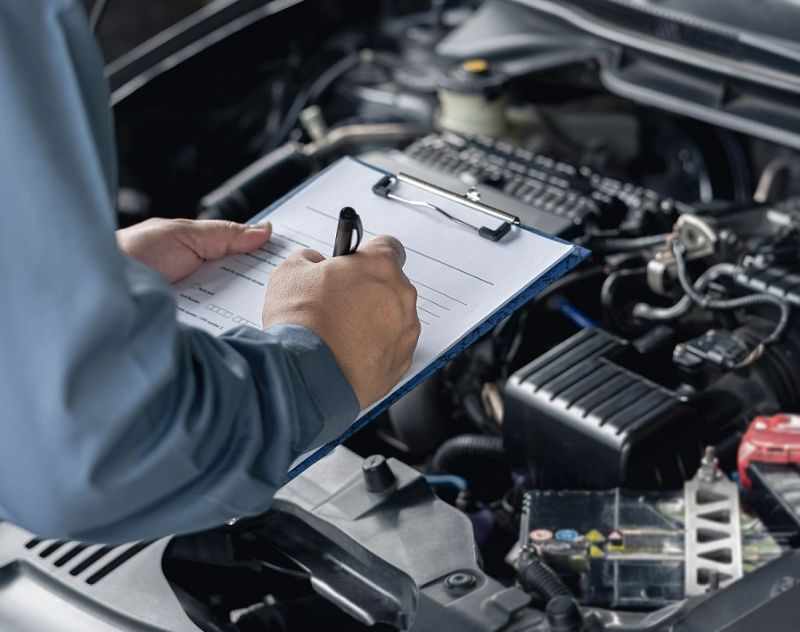
Skipping a Professional Inspection
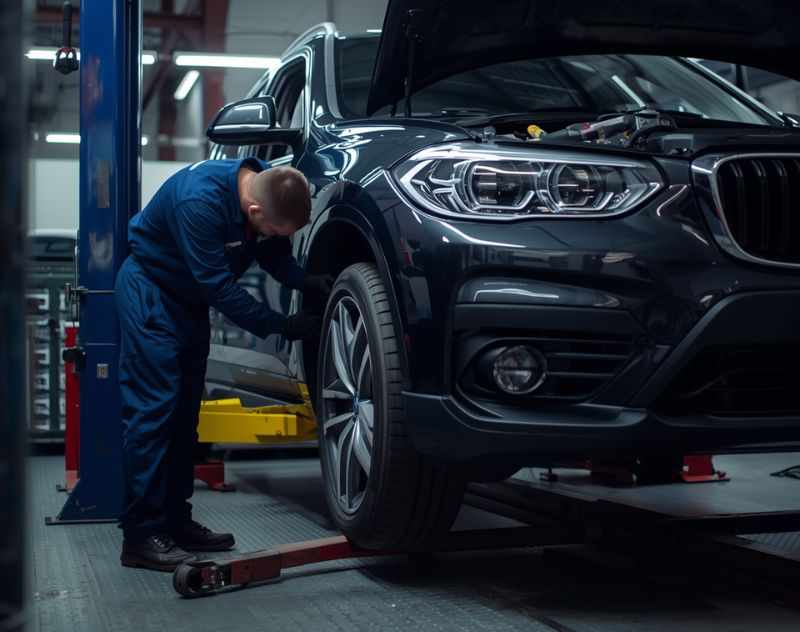
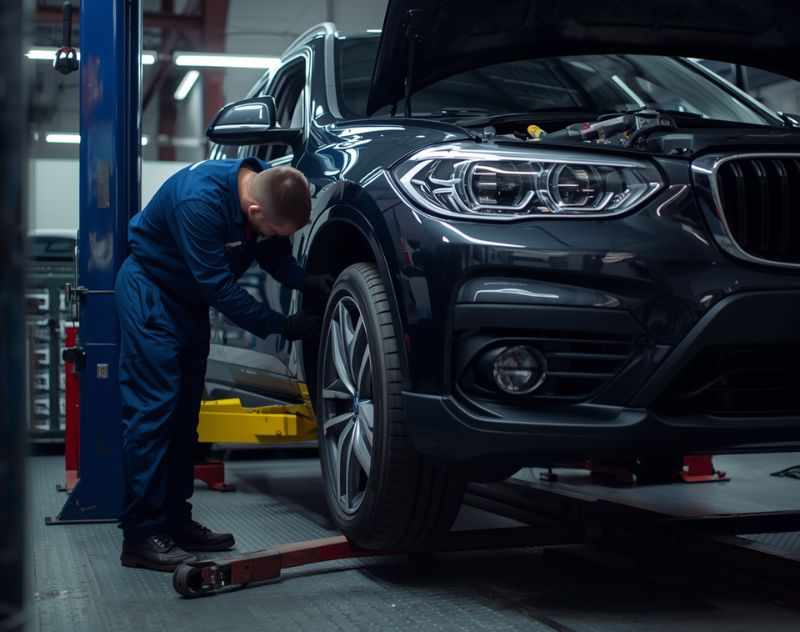
One of the biggest mistakes is relying only on a personal inspection. While you may notice visible issues, hidden mechanical problems often require professional knowledge and diagnostic tools.
An experienced inspector can identify faults that are easy to miss during a casual inspection.
Ignoring the Vehicle History
A clean exterior does not always mean the vehicle has a clean history.
Always check for:
Previous accidents
Flood damage
Outstanding finance
Odometer inconsistencies
Insurance write-offs
Ownership history
A history report adds valuable information to your vehicle check before buying.
Buying Without a Test Drive
A test drive allows you to evaluate how the vehicle performs under normal driving conditions.
Pay attention to:
Engine performance
Gear changes
Brake response
Steering feel
Suspension noise
Dashboard warning lights
Never buy a used car without driving it first.
Missing Signs of Poor Maintenance
Maintenance history tells you how well the previous owner cared for the vehicle.
Look for:
Regular servicing
Oil change records
Brake maintenance
Timing belt replacement
Cooling system repairs
Missing records may indicate neglected maintenance, which could result in future repairs.
Focusing Only on Appearance
A shiny exterior can hide expensive mechanical issues.
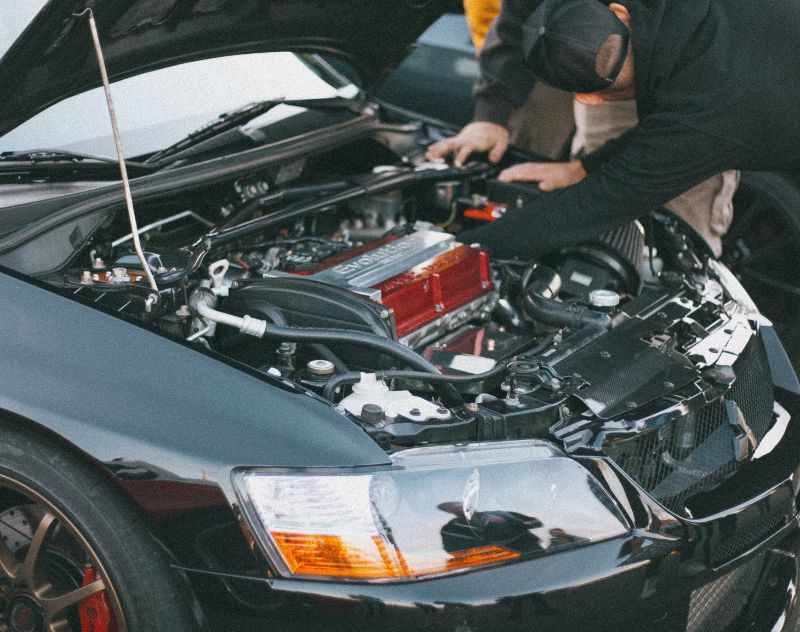
During your vehicle check before buying, inspect more than the paintwork. Look under the bonnet, check underneath the vehicle, inspect tyres, and examine the interior for signs of excessive wear.
Mechanical condition is far more important than cosmetic appearance.
Ignoring Tyre Condition
Tyres provide useful clues about the vehicle's health.
Uneven tyre wear may indicate:
Wheel alignment problems
Suspension wear
Steering issues
Replacing tyres can add high costs after purchase, so inspect them carefully.
Overlooking Warning Lights
Dashboard warning lights should never be ignored.
Lights related to the engine, ABS, airbags, or transmission often indicate problems that require immediate attention.
If warning lights remain on during your vehicle check before buying, ask for a professional diagnosis before making any decision.
Rushing the Buying Process
Many buyers rush because they fear losing the vehicle to another buyer.
Avoid making quick decisions.
Take time to:
Compare similar vehicles
Review inspection results
Verify documents
Check service records
Confirm ownership details
A careful approach usually leads to a better purchase.
Questions to Ask the Seller
Before buying, ask a few important questions.
Vehicle Ownership
Find out:
How long has the seller owned the car?
Why are they selling it?
Has it been involved in any accidents?
Maintenance History
Ask for:
Service records
Repair invoices
Warranty information
Recent replacement parts
Clear answers often indicate a transparent seller.
Final Thoughts
A proper vehicle check before buying helps reduce risk and gives you confidence when purchasing a used vehicle. Avoiding common mistakes such as skipping inspections, ignoring service history, or rushing the purchase can save you from expensive repairs and unnecessary stress. Careful research and professional advice are always worth the effort when buying a used car.
Write a comment ...