
Buying a used vehicle can be a smart financial decision, but it also comes with risks. Many cars look great on the surface while hiding mechanical, structural, or safety problems underneath. A thorough vehicle check before buying helps you spot these issues early and avoid unexpected expenses after the purchase.
Why a Vehicle Check Before Buying Matters
A used vehicle may have a clean exterior and a smooth test drive, yet still contain hidden defects. Previous accident damage, worn components, poor repairs, or neglected maintenance can be difficult for an average buyer to identify.
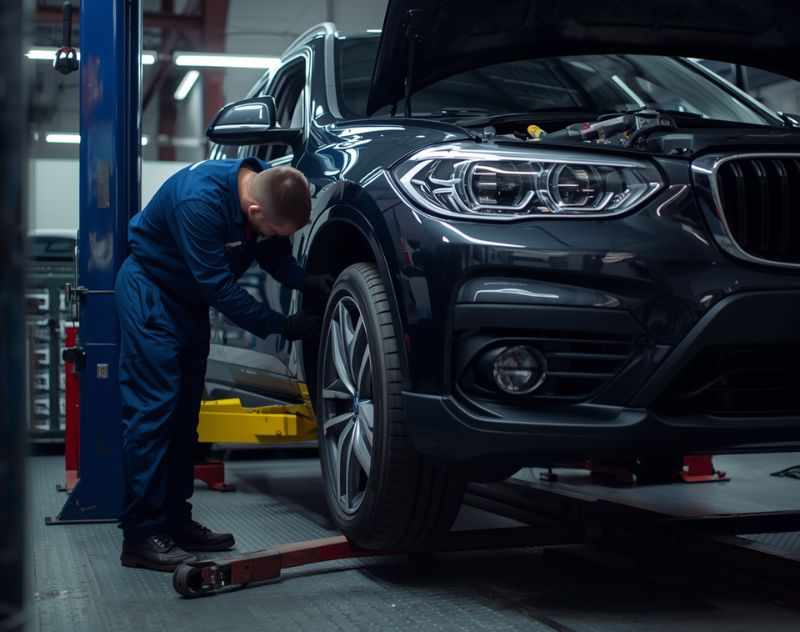
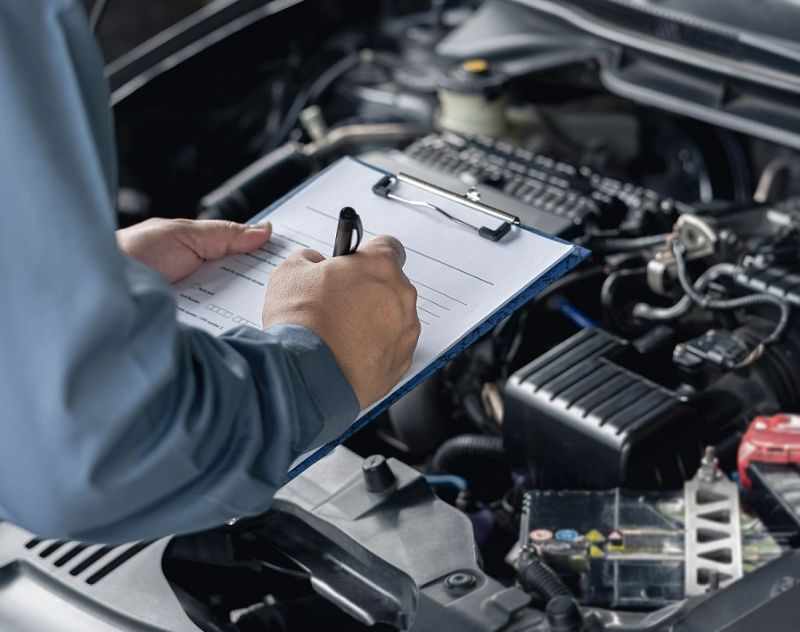
A professional vehicle check before buying provides a clear picture of the vehicle's condition. It helps buyers make informed decisions and reduces the chance of purchasing a car that requires costly repairs soon after ownership.
Common Hidden Issues Found During Inspections
Many problems are not visible during a quick inspection. Here are some of the most common issues professionals uncover:
Mechanical Problems
Engine leaks, transmission faults, worn suspension components, and brake issues can develop over time. These repairs can be expensive if discovered after purchase.
Previous Accident Damage
Some vehicles have been involved in accidents and repaired poorly. Signs of structural damage may not be obvious without a detailed inspection.
Electrical Faults
Modern vehicles rely heavily on electronic systems. Faulty sensors, wiring issues, or malfunctioning safety features may not trigger warning lights immediately.
Odometer and Service Concerns
An inspection can help identify inconsistencies in service records or signs that the vehicle's actual condition does not match the displayed mileage.
What Should Be Included in a Vehicle Inspection?
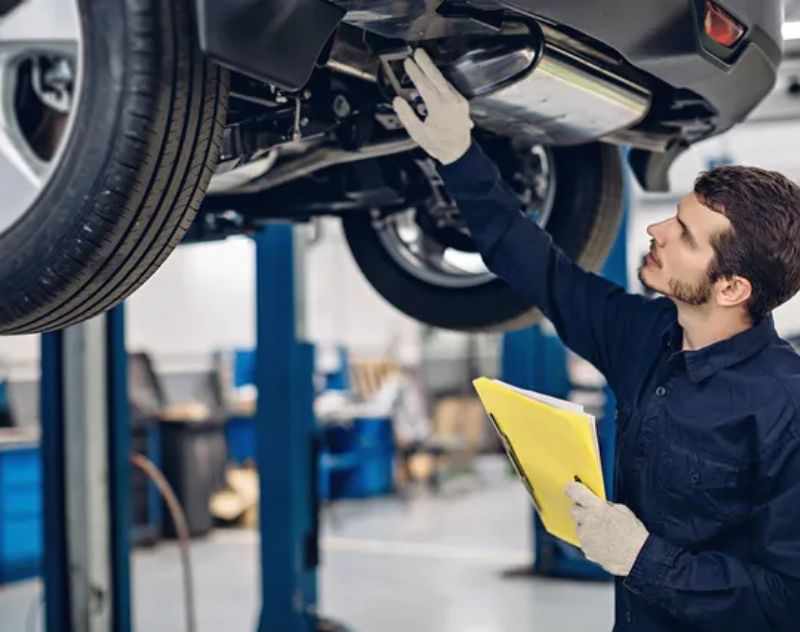
A quality inspection should cover more than just a visual check. Key areas include:
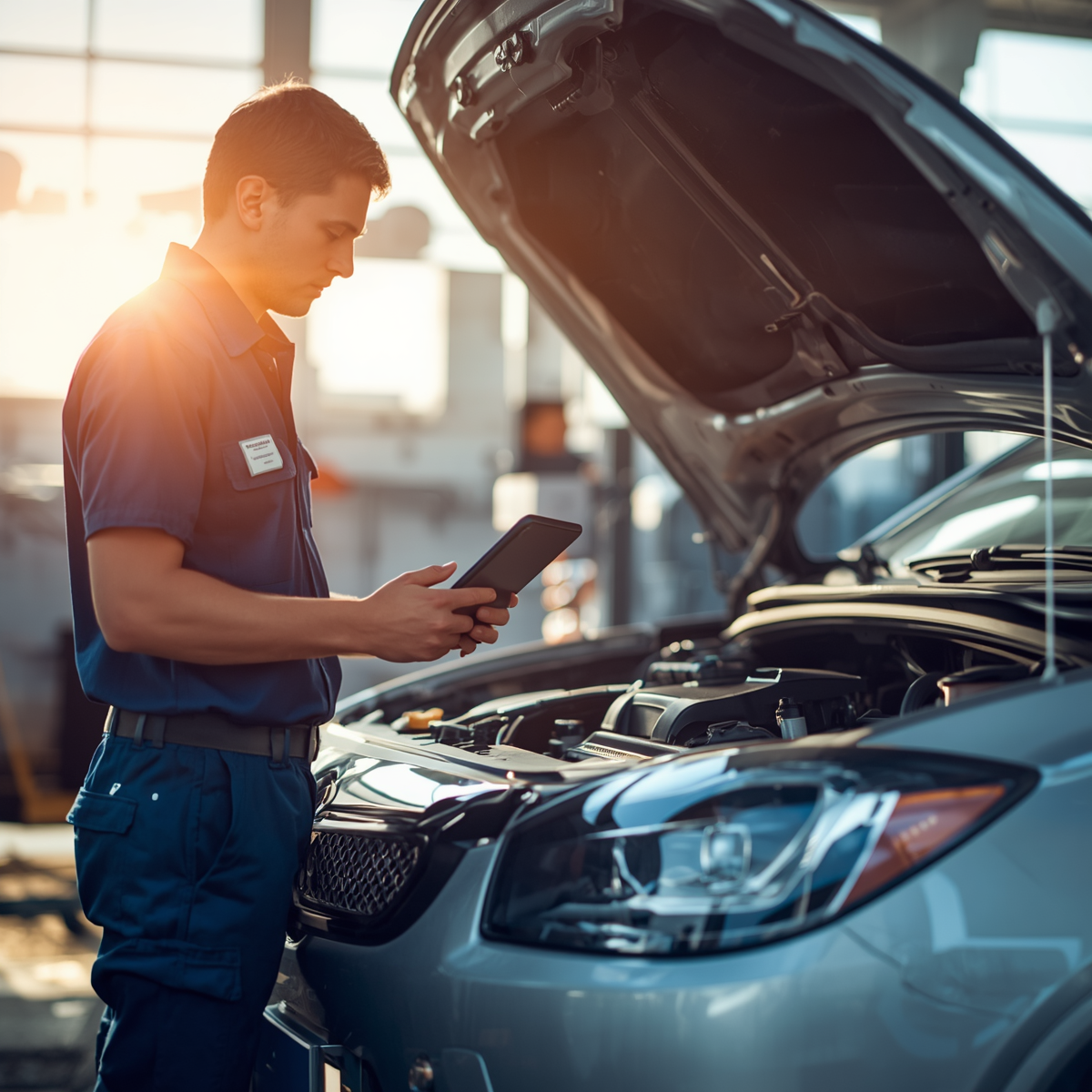
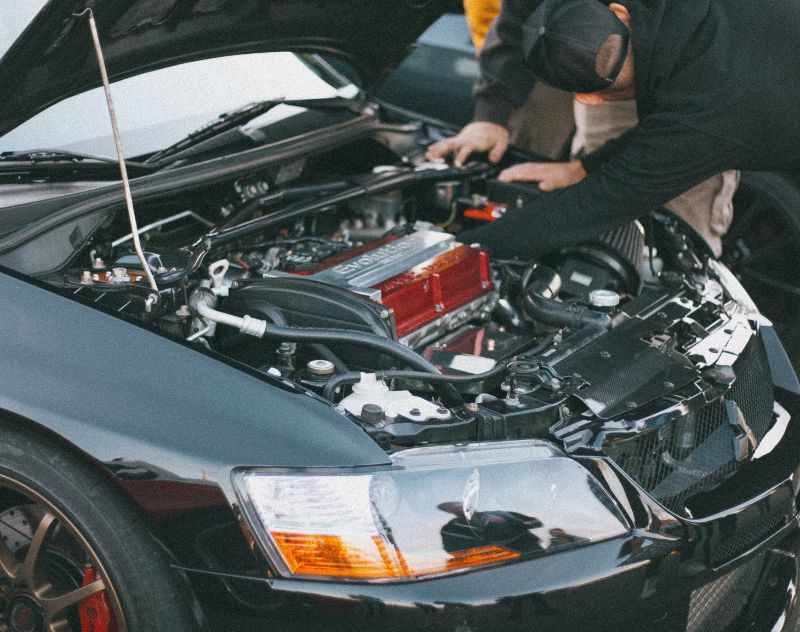
Engine condition
Transmission performance
Brake system
Suspension and steering
Tyres and wheels
Battery and electrical systems
Vehicle body and frame
Signs of rust or corrosion
Road test evaluation
The goal is to identify current problems and potential future concerns that may affect reliability and safety.
Tips for Buyers Before Making a Purchase
Even if the seller seems trustworthy, never skip an inspection. Always request maintenance records and compare them with the vehicle's condition.
Take the car for a test drive and listen for unusual noises. Check that all electronics work properly. Most importantly, arrange a professional vehicle check before buying to receive an independent assessment.
This extra step can save thousands in repair costs and help you negotiate a fair price if issues are discovered.
Conclusion
A vehicle check before buying is one of the most important steps in the used-car buying process. It helps uncover hidden mechanical, structural, and safety issues that may not be visible during a casual inspection. Investing in a professional assessment provides confidence, reduces risk, and helps ensure you purchase a reliable vehicle.
If you're considering a used vehicle, schedule a professional inspection before signing the paperwork. A detailed report can provide valuable information and help you make a more informed buying decision.
Write a comment ...